6 Mistakes Atherton Homeowners Make After a House Fire
Quick Answer
After a house fire, do not enter the property before structural safety has been confirmed, do not attempt to clean soot yourself without industrial equipment, and do not delay contacting your insurance carrier. Disturbing soot without proper containment spreads smoke particles to unaffected areas and increases the total restoration cost.
Fire damage restoration in Atherton homes begins the moment the fire department clears the scene, and what happens in the first 24 to 48 hours can dramatically affect the cost, timeline, and outcome of the entire recovery. Homeowners are dealing with stress, insurance calls, and the shock of what has happened to their property, and in that state, well-intentioned actions frequently make the situation worse. These six mistakes are the ones we see most often, and understanding why they are mistakes gives you a clearer picture of what to actually do when a fire has occurred on your property or in a property you manage.
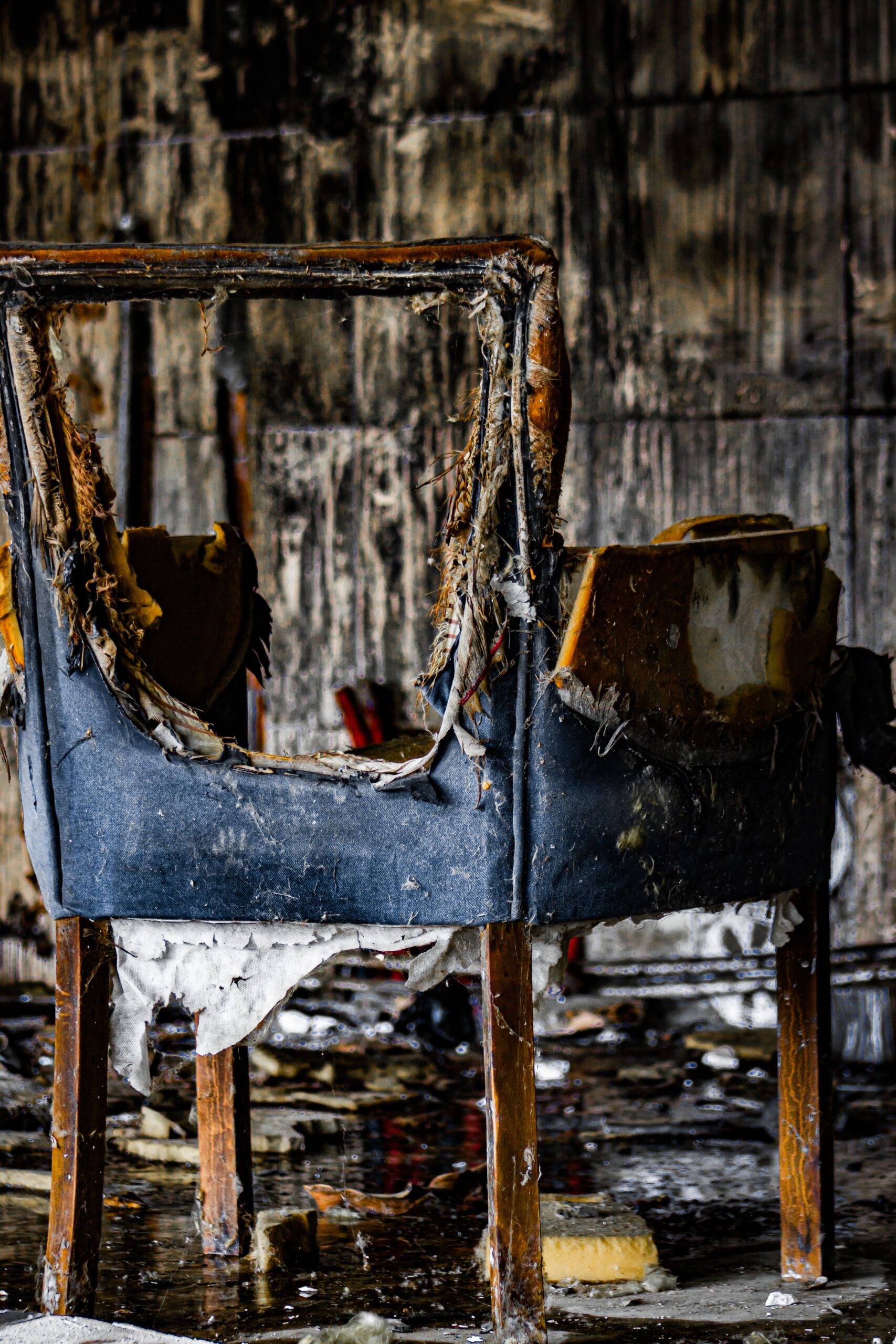
Fire-damaged properties require a formal structural safety assessment before anyone enters, regardless of how the exterior looks.
Mistake 1: Entering the Property Before It Has Been Cleared as Safe
After a fire, the structural integrity of a building may be severely compromised even when the exterior looks intact. Floor joists, roof rafters, and load-bearing walls can be weakened by heat and water to the point of sudden failure. Fire departments clear the immediate scene, but that clearance does not constitute a structural safety certification. Before entering the property, you need a formal assessment from a qualified professional confirming the structure is safe to occupy or enter. In Atherton, where many properties have complex multi-story construction and large roof spans, the risk of structural failure after a significant fire is real. What to do instead: wait for a certified structural assessment before anyone enters, including you, your contractors, or your insurance adjuster. If anything needs to be accessed urgently, let certified professionals with proper safety equipment enter first.
Mistake 2: Attempting to Clean Soot Yourself Without the Right Equipment
Soot looks like it should be easy to wipe off. It is not. Dry soot from high-temperature fires is a fine powder that becomes an oily smear when wet. Wet soot from low-temperature, smoldering fires is already oily and bonds aggressively to surfaces when disturbed. Attempting to clean soot with household cleaners, paper towels, or regular vacuum cleaners spreads the contamination deeper into porous surfaces and embeds particles into carpet, fabric, and wall materials that could have been cleaned with professional equipment. In older Atherton homes with original plaster walls and hardwood floors, amateur soot cleaning can cause irreversible damage to surfaces that professional methods would have preserved. What to do instead: do not touch sooted surfaces until a certified restoration professional assesses them. Contact our fire and smoke damage restoration team, which uses chemical sponges, HEPA vacuums, and material-specific cleaning protocols for each surface type.
Mistake 3: Waiting Too Long to Contact Your Insurance Company
Many Atherton homeowners delay calling their insurance carrier because they are overwhelmed or because they want to understand the full extent of the damage first. This delay creates problems on multiple fronts. Insurance policies in California typically require prompt reporting of losses. Delay can complicate the claim and in some cases give the carrier grounds to dispute coverage based on late notification. Equally important, the adjuster cannot begin the authorization process until they have been notified, which delays the approval of emergency stabilization and drying work. Every day that passes without water extraction from firefighting operations increases the mold risk and the ultimate scope of restoration. What to do instead: call your carrier within 24 hours of the fire being extinguished. You do not need to have all the answers before you call. Report the loss and ask what documentation they need.
Mistake 4: Letting the Property Sit Unventilated After a Fire
Closing up a fire-damaged property and leaving it sealed feels protective. It is actually harmful. After a fire, the structure contains concentrated smoke particles, elevated humidity from firefighting water, and chemical compounds off-gassing from burned materials. Without controlled ventilation and drying, these compounds continue to settle and penetrate porous surfaces. The Bay Area’s ambient humidity, particularly in Atherton during the fall and winter months when most heating-related fires occur, keeps moisture levels in the building elevated. Moisture plus residual combustion compounds accelerates the conditions needed for mold growth. What to do instead: allow controlled ventilation under the supervision of a restoration professional. Random airflow through open windows can be counterproductive. Professional ventilation during restoration uses negative air pressure equipment to draw contaminated air out of the structure in a controlled direction.
Mistake 5: Underestimating How Far Smoke Has Traveled
Atherton homeowners often assume that if a fire was contained to one room or one area, the smoke damage stops at the door. It does not. Smoke moves through HVAC systems, through wall cavities, through gaps around pipes and outlets, and under door thresholds. In a multi-story Atherton estate, smoke from a ground-floor event will typically be found in second-floor spaces, in the attic, and in every room served by the central HVAC system. The Peninsula’s occasional offshore flow conditions, which reduce ventilation in structures during the fire event, can concentrate smoke internally to a greater degree than in areas with more consistent airflow. What to do instead: commission a whole-property assessment, not just an assessment of the room where the fire burned. Document every area of the property regardless of apparent damage before any work begins.
Mistake 6: Hiring a General Contractor Instead of a Certified Restoration Company
After a fire, it feels logical to call the contractor who built your deck or renovated your kitchen. That person knows your property. But general contractors are not trained in the specific protocols for water extraction, structural drying, or smoke remediation. They do not carry IICRC certifications. They are not versed in insurance documentation standards. They may repair visible damage while missing the hidden contamination and moisture that will cause problems months later. This is a particularly common mistake in Atherton, where homeowners often have established relationships with high-quality general contractors who they trust completely, but whose training is in construction rather than restoration. FEMA’s guidance on disaster recovery at ready.gov reinforces the importance of using qualified professionals for disaster-related property recovery. What to do instead: hire a licensed, IICRC-certified restoration company for the fire restoration work. Once the restoration is complete and the property has passed clearance, your general contractor can be involved in any cosmetic or renovation work you want to add beyond the restoration scope.
Frequently Asked Questions
Some items can be restored by professional contents cleaning specialists, and some cannot. Hard surfaces like wood furniture, appliances, and certain ceramics are often salvageable. Porous items like upholstered furniture, mattresses, clothing, and paper items are assessed individually. The restoration company documents all contents as part of the insurance scope, with items categorized as restorable, requiring professional cleaning, or total loss. Do not dispose of anything before the insurance documentation is complete.
Emergency stabilization measures include boarding open windows, tarping breached roof sections, and securing access points to prevent unauthorized entry and weather exposure. We complete these measures as one of the first steps on-site. If restoration cannot begin immediately due to insurance authorization delays, emergency stabilization protects the structure from additional damage in the interim. These costs are typically covered as part of the fire loss claim.
Standard California homeowners policies include Loss of Use or Additional Living Expenses coverage, which covers reasonable temporary housing costs while your home is uninhabitable during restoration. The amount varies by policy, and there is typically a maximum daily allowance and a time limit. Contact your carrier to understand what your specific policy provides, and keep receipts for all housing, food, and related expenses from the time of the loss.
Our Service Area
We serve Atherton, CA and a 50-mile radius including the following communities: