7 Questions to Ask a Restoration Company in Atherton Before You Hire Them
Quick Answer
When choosing a restoration company in Atherton, verify IICRC certification, California contractor licensing, documented response times under two hours, and direct experience with insurance carrier coordination. Ask for references from Peninsula jobs. Avoid companies that cannot provide written documentation of drying logs, moisture readings, and photo records throughout the project.
Choosing the right restoration company for water damage restoration or fire damage recovery in Atherton, CA is not like choosing a painter or a handyman. The company you hire for restoration work will be inside your home for days or weeks, coordinating with your insurance carrier, making decisions about what materials to remove and what to keep, and producing documentation that affects your claim payout. In a community like Atherton where property values and expectations are high, getting this choice wrong can cost significantly more to fix than it would have cost to get it right the first time. These seven questions cut through the marketing language and tell you what you actually need to know before you sign anything.
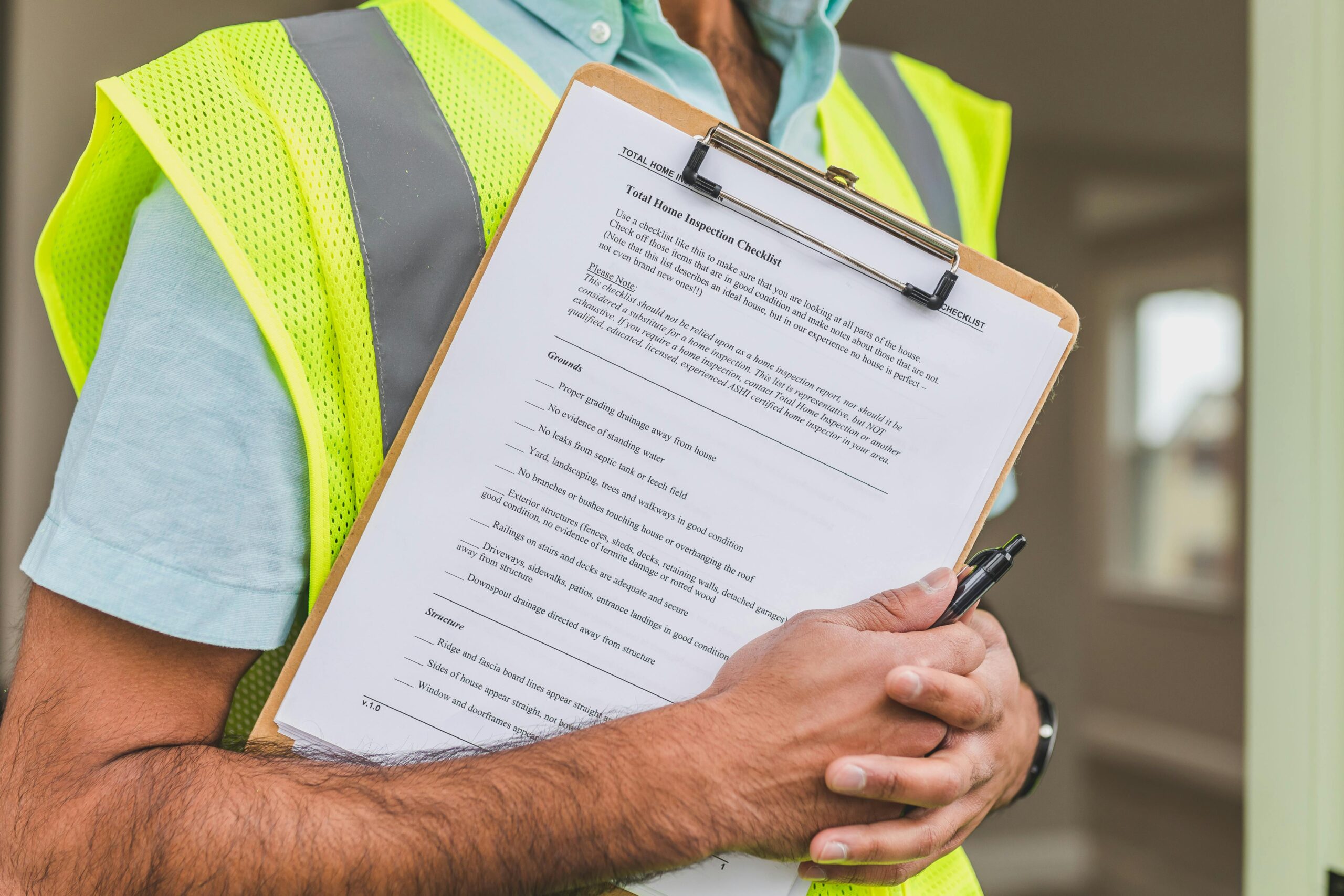
The first conversation with a restoration company tells you a lot about how the entire project will go.
1. Are You IICRC Certified and Fully Licensed in California?
This is not a nice-to-have. IICRC certification means technicians have completed formal training and testing in water damage restoration, fire and smoke restoration, applied microbial remediation, or structural drying. Without this training, a company is making judgment calls on your property based on experience alone, without the protocol framework that certified work requires. In California, restoration work also requires a valid contractor’s license through the California State License Board (CSLB). Ask for the license number and verify it at cslb.ca.gov. Insurance work on a property is often scrutinized carefully, and an unlicensed contractor creates exposure for both the homeowner and the carrier. The IICRC maintains a directory of certified firms that you can search to verify credentials before you hire.
2. What Is Your Documented Response Time for Emergencies in Atherton?
Response time for water damage restoration is not just a customer service issue. It is a technical one. Every hour of delay in water extraction and drying increases the cost and complexity of the project because water continues to migrate into additional building materials. A company that cannot commit to a specific response time, or that qualifies it heavily with disclaimers about traffic and crew availability, is a company that may not be positioned to respond when you need them. For Peninsula properties, two hours is a reasonable benchmark for emergency response. Ask what happens if they cannot meet that time, and ask whether they have a 24/7 answering line or whether calls go to a service after hours.
3. Do You Handle Insurance Coordination Directly, and How?
This matters a great deal for Atherton homeowners, where property values make claim amounts consequential. A restoration company that handles insurance coordination will have an established process for documenting the loss, submitting the initial scope to the adjuster, and working through any disputes about covered work. Ask specifically what documentation they produce: do they keep daily moisture logs? Do they provide photographic documentation of every affected area? Do they use Xactimate software (the industry standard for insurance estimates), and do they have experience working with the major carriers that serve California? A company with weak documentation practice may complete the work but leave you in a dispute with your carrier over what was actually needed.
4. What Equipment Do You Use for Structural Drying?
The difference between consumer-grade and professional restoration equipment is not minor. IICRC-compliant structural drying requires commercial air movers and desiccant or refrigerant dehumidifiers calibrated to the volume and material types in the drying environment. Ask specifically whether they use truck-mounted extraction units for significant losses, and ask how they determine how many drying units to place. A company that places a fixed number of units regardless of the size of the loss is not doing IICRC-compliant drying. Equipment should be sized to the job, repositioned as the structure dries, and monitored daily with moisture meter readings that are logged and documented.
5. Can You Provide References From Atherton or Peninsula Jobs?
Restoration experience is not uniform across markets. A company with strong experience in Sacramento or the Central Valley may not have the same familiarity with the construction profiles, local insurance markets, or specific weather-related damage patterns on the Peninsula. Ask for references from jobs in Atherton, Menlo Park, Palo Alto, Redwood City, or similar Peninsula communities. For higher-value properties, ask whether they have experience with estate construction, original millwork, plaster walls, or other materials common in older Atherton homes. A company that cannot provide Peninsula references for jobs similar to yours in scale and property type is a company working outside their depth.
6. How Do You Document Work for the Insurance Claim?
Documentation is not a paperwork formality. It is what your insurance carrier uses to evaluate whether to approve the work, at what cost, and without disputes. Ask for a sample scope of work, a sample daily drying log, and a sample closeout report. These documents should include photos of every affected area before work began, moisture readings at a defined set of monitoring points, daily equipment logs, and a final inspection record showing all materials reached acceptable moisture levels. If a company cannot show you samples of this documentation, they cannot reliably produce it on your job, which creates significant risk for your claim.
7. What Does Your Full Restoration Process Look Like From Start to Finish?
Some restoration companies do only the mitigation phase, stopping after extraction and drying and handing off reconstruction to a general contractor. Others, like Atherton Restoration Services, carry the project through from initial emergency response to final inspection and sign-off. Working with one company for the entire scope reduces coordination delays, eliminates disputes about where the mitigation work ended and reconstruction began, and gives you a single point of accountability. Ask explicitly whether the company handles reconstruction, what trades they carry in-house or under subcontract, and what the handoff process looks like if they stop at mitigation. For about our own approach to full-scope restoration, see our About page.
Red Flags to Watch For
- No IICRC certification or license number provided when asked directly
- Pressure to sign a direction-to-pay agreement before any assessment is completed
- No clear answer on response time, or only availability during business hours
- Cannot provide samples of documentation they produce during and after a job
- Pricing that seems unusually low compared to competitors (this usually reflects scope that is too limited)
- No references from similar Peninsula properties or similar damage types
- Agreement language that limits your ability to bring in a second opinion or switch companies mid-project
Frequently Asked Questions
No. California law allows you to choose your own restoration contractor. Your insurance carrier may have a preferred vendor network and may encourage you to use those vendors, but they cannot legally require it. You have the right to select a licensed, certified company of your choice, and your carrier is obligated to pay the reasonable cost of that work if it is covered under your policy.
Xactimate is software used by both restoration contractors and insurance adjusters to price restoration work using standardized regional cost data. When both sides of a claim are working from the same pricing database, disputes are easier to resolve. A restoration company that uses Xactimate is producing estimates in a format your adjuster understands and can review line by line. Companies that produce estimates in a different format or with non-standard pricing are more likely to encounter adjuster disputes.
For non-emergency situations, yes. For active emergencies involving ongoing water damage or an unsecured fire-damaged property, begin the work and complete the assessment, then compare scope and pricing if needed. Active damage does not wait for multiple estimates. For insurance work, the carrier will typically review and approve the scope separately, so the estimate comparison serves more as a quality and competence check than a strict price comparison.
Our Service Area
We serve Atherton, CA and a 50-mile radius including the following communities: