
Mold Remediation Atherton CA | Find It, Remove It, Keep It Gone
Certified mold remediation with a clearance test at the end so you have documentation of a clean property.
Call (650) 396-3526Quick Answer
Mold remediation in Atherton typically takes two to seven days depending on the affected area and materials involved. Mold can begin growing within 24 to 48 hours of water intrusion in Bay Area humidity. A certified clearance test conducted after remediation confirms the work is complete before restoration of drywall and finishes begins.
Mold remediation in Atherton, CA removes active mold growth, eliminates the contamination from affected structural materials and surfaces, and addresses the moisture source that allowed mold to establish in the first place. We serve homeowners and property managers throughout Atherton and the surrounding Peninsula communities who have discovered mold in a crawl space, attic, basement, bathroom, or wall cavity, and who need a certified team to remove it completely, document the work, and issue a clearance test that confirms the property is clean. The outcome is a structure free of mold contamination with documentation suitable for real estate transactions, insurance claims, or personal peace of mind.
How Fast Mold Grows in Atherton’s Climate
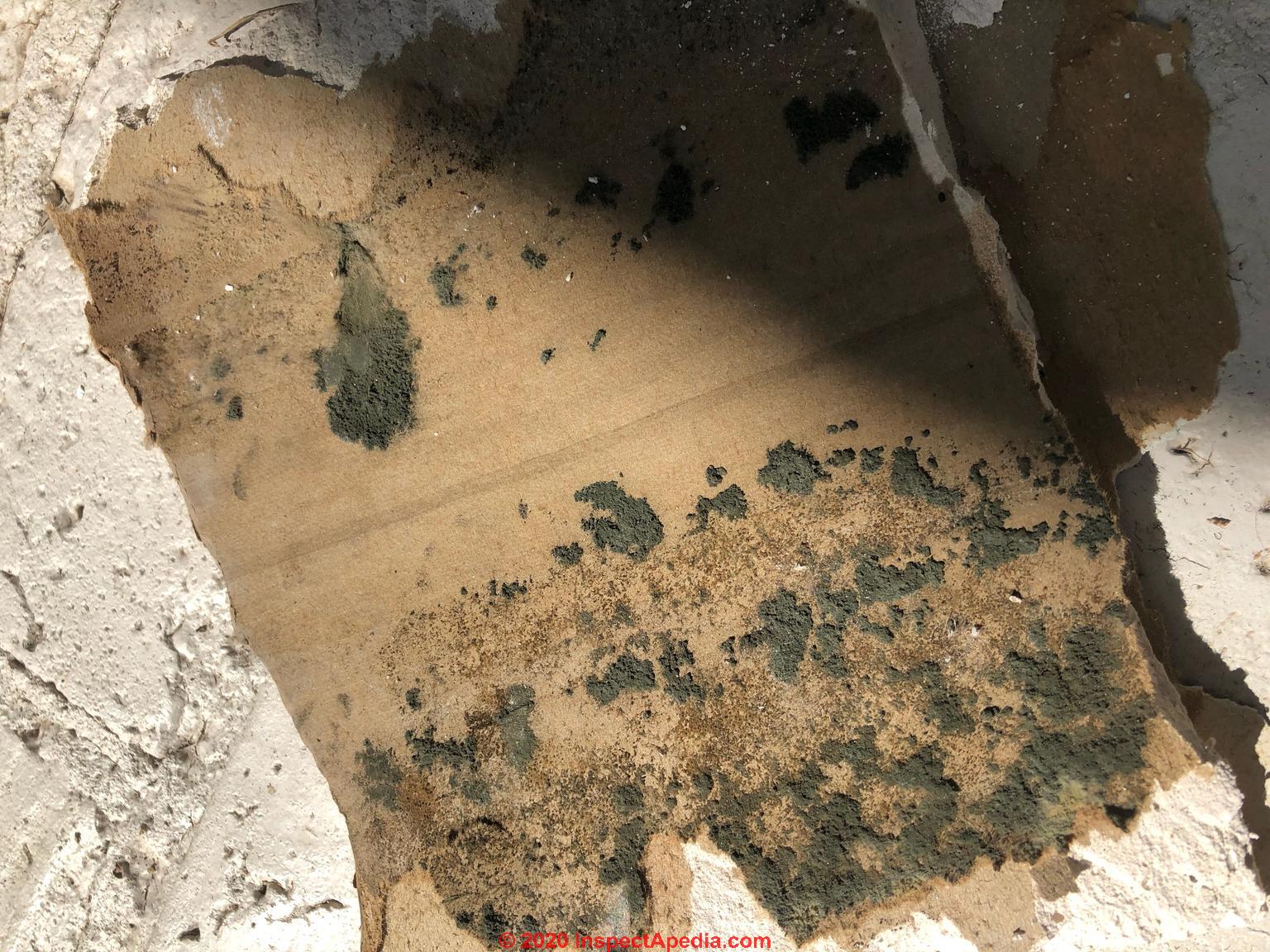
Mold spores are present in the air everywhere. What determines whether they grow into a problem is moisture and an organic food source, and both are easy to find inside a building. Under Bay Area conditions, where winter humidity regularly exceeds 70 percent and summer fog keeps nighttime humidity elevated, mold can begin colonizing a wet surface in as little as 24 to 48 hours.
This timeline is not theoretical. It is why the IICRC’s water damage protocols set a 24- to 48-hour window as the critical period for drying intervention. Any water intrusion that is not addressed within that window is a potential mold event, and mold that becomes visible has already been growing for some time before it appears. What you see on the surface is typically the leading edge of a colony with deeper roots in the material behind it.
For more on mold health risks and exposure guidelines, the EPA’s mold guidance provides reference information for homeowners and property managers.
Health Risks and Why DIY Approaches Fail
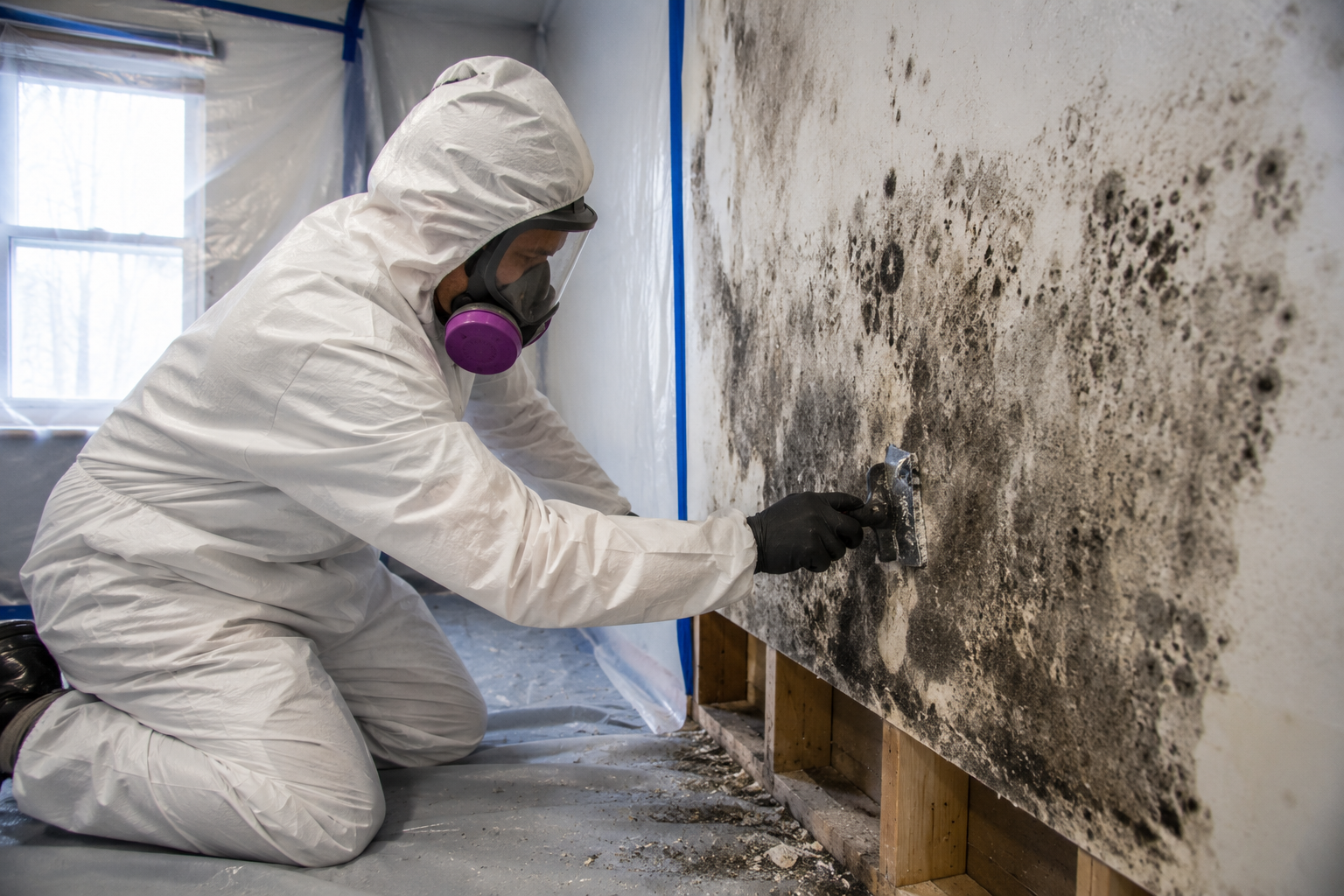
Exposure to mold spores can cause respiratory symptoms, allergic reactions, and in some cases more serious health effects, particularly for people with asthma, compromised immune systems, or existing respiratory conditions. The EPA recommends professional remediation for any mold covering an area larger than 10 square feet, and that threshold is based on the contamination level that becomes difficult to contain without professional equipment and procedures.
The most common DIY failure is treating visible mold with bleach or surface cleaners without addressing the moisture source or the hidden mold in adjacent materials. Surface treatment kills surface mold but does not penetrate into drywall, wood framing, or insulation. Within weeks, the mold returns. The second failure is not containing the work area properly. Disturbing mold without negative air pressure containment spreads spores throughout the structure, turning a localized problem into a whole-house contamination event.
Related to this, unaddressed mold from prior water damage events is one of the most common findings we encounter on properties that have had previous moisture intrusion.
Our Mold Remediation Process
- Inspection and Assessment: We identify all visible mold, probe moisture levels in surrounding materials, and use thermal imaging where needed to locate hidden moisture that may be feeding additional growth.
- Moisture Source Identification: We locate the water source driving the mold event. Remediation without addressing the moisture source will result in mold returning. We identify the source and either repair it ourselves or coordinate with a plumber for pipe-related issues.
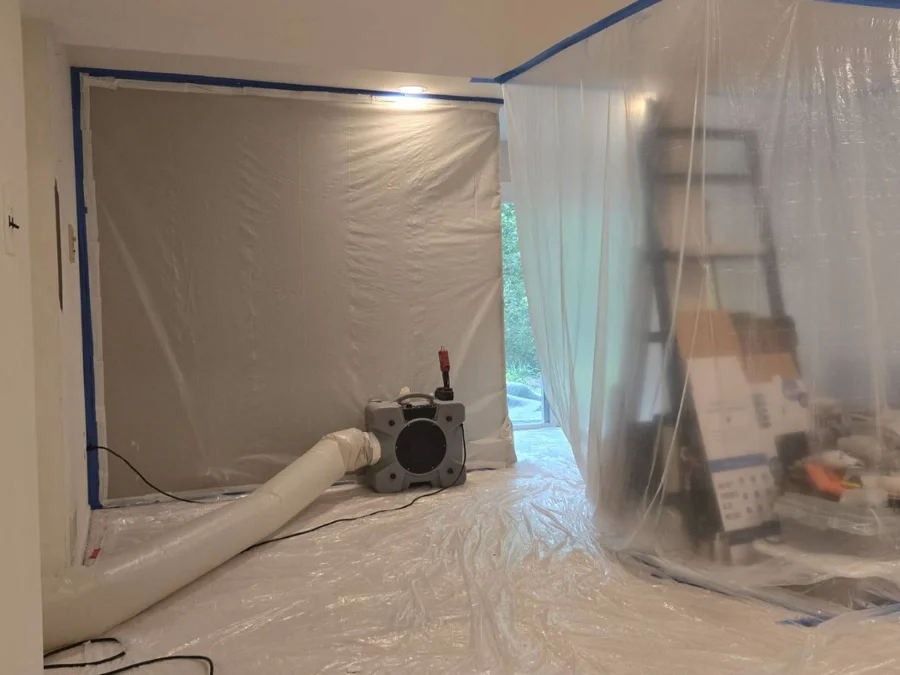
- Containment Setup: Plastic sheeting, negative air pressure machines, and HEPA filtration are used to isolate the work area and prevent spore dispersal during removal. This protects the rest of the structure during the remediation process.
- Removal of Contaminated Materials: Mold-contaminated drywall, insulation, and other porous materials that cannot be cleaned are removed and disposed of according to California regulations. We bag materials within the containment zone and remove them without contaminating adjacent spaces.
- HEPA Vacuuming and Surface Treatment: All affected structural surfaces are HEPA vacuumed and treated with an EPA-registered antimicrobial agent. We allow surfaces to dry thoroughly before encapsulation where applicable.
- Clearance Testing: An independent clearance test is conducted after remediation is complete. Air samples are compared to outdoor reference samples. The project is not signed off until the clearance results confirm the mold levels inside are within acceptable range of the outdoor baseline.
What a Clearance Test Is and Why It Matters
A clearance test is an air quality test conducted by an independent third party after remediation is complete. Air samples are collected inside the treated area and compared to outdoor baseline samples. If the indoor spore counts are within an acceptable range relative to the outdoor baseline, the property passes clearance. If they are not, additional remediation is required before the test can be repeated.
A clearance test matters for three reasons. First, it gives you independent confirmation that the work was actually effective, not just the contractor’s word. Second, it creates documentation you can use if you sell the property or if an insurance question arises later. Third, it protects the people who will occupy the space. We require a clearance test on every mold job we complete. It is not an optional add-on. It is how we confirm the work is done.
In the event that mold has spread from water intrusion related to fire damage, firefighting water can create mold events in adjacent areas not directly involved in the fire loss. We assess for this in every fire project.
Mold Remediation Questions
In most cases, yes. During active remediation, we maintain negative air pressure and disturb materials that release spores. The containment zone is not safe to occupy, and in a typical home, the ventilation system can carry particles to other areas. We will assess your specific property and tell you clearly whether temporary relocation is needed and for how long.
California homeowners insurance covers mold remediation when the mold is a direct result of a covered water loss event, such as a burst pipe or appliance failure. It typically excludes mold that resulted from long-term neglect, condensation, or gradual leakage. If the mold in your property originated from a covered loss, we document the connection clearly so your carrier can process the claim appropriately.
Signs include a persistent musty smell that does not go away when windows are open, water staining on walls or ceilings, unexplained respiratory symptoms that improve when you leave the building, and visible moisture or efflorescence on foundation walls. The only way to confirm hidden mold is through a professional inspection with moisture meters and sometimes wall cavity sampling. If you suspect mold behind walls, do not wait for visible growth before calling us.
Yes. We handle full restoration after remediation, including new drywall, texture matching, and paint. We work to match existing finishes as closely as possible. For properties with custom finishes or historic plaster work, we assess what is feasible and discuss options with you before proceeding.
Mold Remediation Service Area
We respond to mold remediation requests throughout Atherton, CA and a 50-mile radius including the following communities: